Exploring how tools like SMS, IVR, and WhatsApp can transform customer engagement and retention.
In a world flooded with noise, attention is currency—and communication is the engine that drives it.
Whether you’re running a logistics company in Dar, a fintech startup in Arusha, or a retail store in Mwanza, how you talk to your customers can make or break your growth. Yet, many Tanzanian SMEs and businesses still rely on outdated or fragmented tools to engage their audience.
And that’s a huge problem !!
The Communication Gap
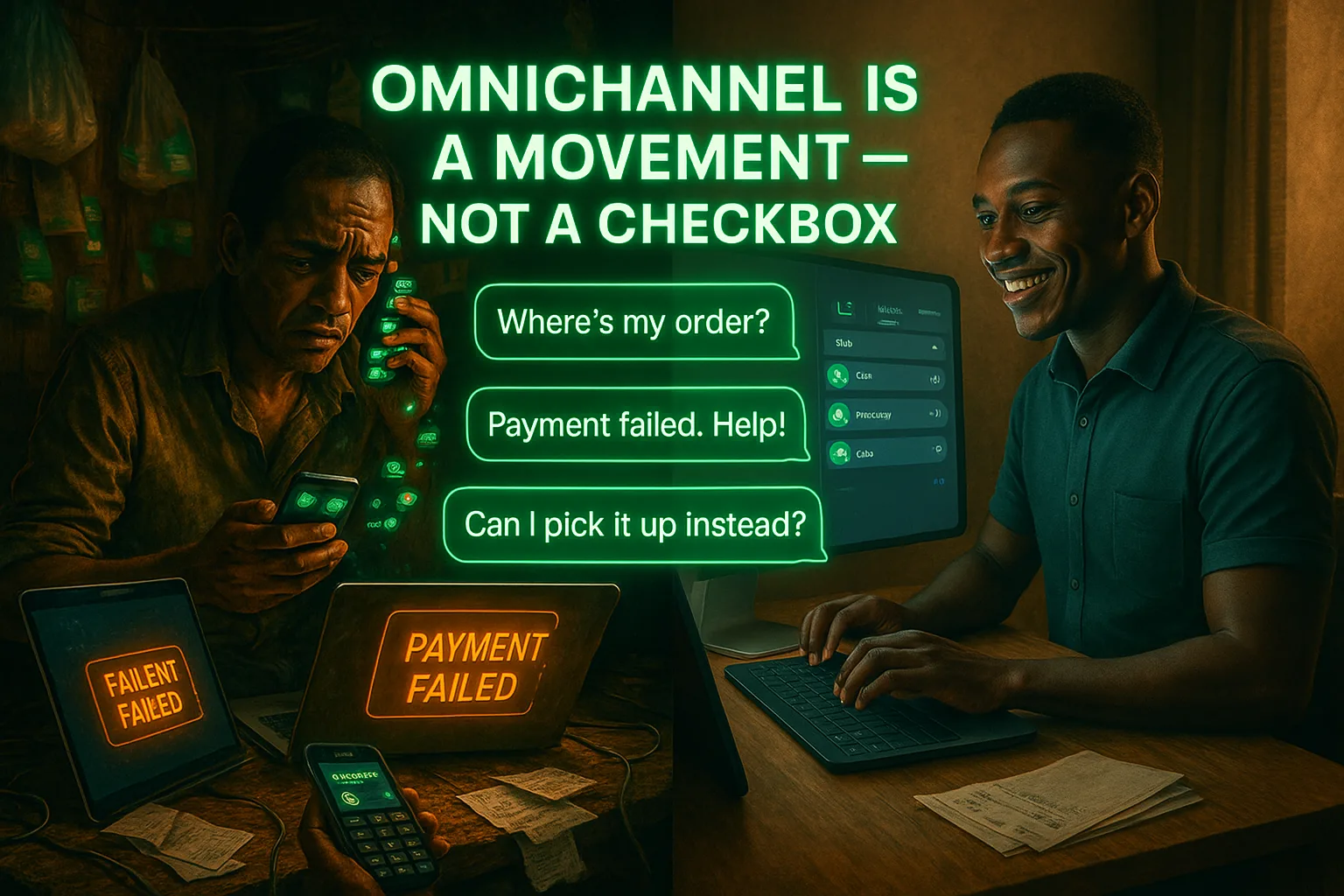
Let’s be real. Sending important updates, transaction alerts, or customer follow-ups through email alone? Not effective. Relying on call centers without automation? Costly. Using multiple disconnected tools? Inefficient.
Customers today expect instant, reliable, and personalized communication—from OTPs to order confirmations, appointment reminders, or promotional offers.
The businesses that win are those that build real-time, omnichannel systems that speak their customers’ language—and do it consistently.
What’s Really Blocking Your Business?
It’s 2025, and your customers expect real-time everything. But your messages still show up late (or never), your OTPs fail at peak time, and your dev team is stuck trying to “integrate” with some platform that was never built for your market.
Let’s be honest—most business messaging tools weren’t made for you.
They were built for global corporations with global budgets, not for scrappy startups in Dar or family-run shops in Arusha trying to scale smart.
Here’s where it usually goes wrong:
- Global pricing, local problems – You’re paying premium fees for tools that barely speak to your ecosystem.
- Integration hell – Your dev team needs a prayer, a cup of kahawa, and a long weekend just to connect an SMS API.
- Support in a different timezone – When things break, no one picks up.
- APIs that assume you’ve got a Silicon Valley-sized tech team
- No voice? No AI? Still stuck in primitive mode? C’mon.
So… what now?
The Tools People Are Using (and Why They’re Not Enough)
You’ve probably heard of them. You may even be using them.
- Twilio – The “industry standard” from the West. Powerful, yes. But it costs an arm and a leg, and you’ll need a full-stack wizard just to get started.
- Termii – West Africa’s go-to. Simple enough, but East African support? Still catching up.
- Beem Africa – Close to home. Reliable-ish. But still feels like it’s playing catch-up with modern dev needs.
They’re not bad. They’re just not you. Not built for your speed, your budget, or your local stack.
BRIQ: Built for Now, Ready for What’s Next
Briq isn’t just another messaging tool. It’s the foundation for how modern African businesses talk to their customers—simple, fast, and built for scale.
Here’s what you get today:
- Bulk SMS that actually delivers (not just “sent,” but received)
- OTP & transactional messaging that show up when they should—no delays, no drama
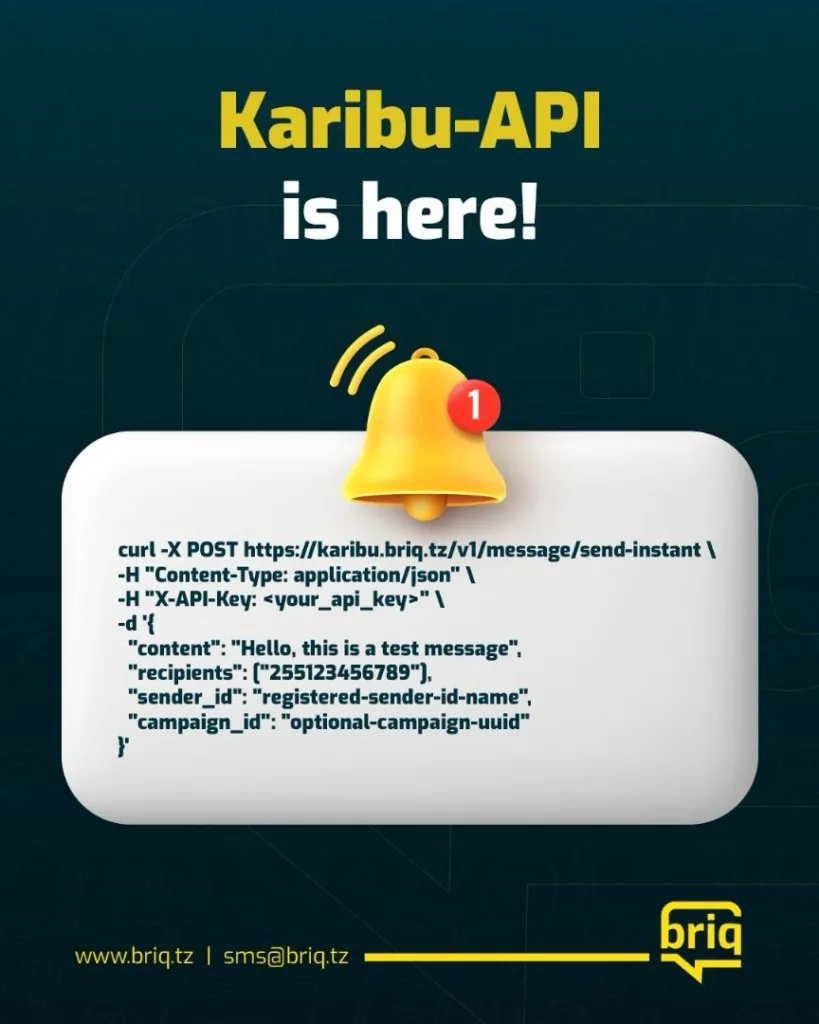
- APIs your dev team can actually enjoy working with
- Local telco integrations that just work, no chasing support across time zones
- Transparent pricing made for SMEs, not Silicon Valley
And here’s what’s coming soon:
- WhatsApp integration for real-time customer chats and marketing
- USSD & voice menus for customers using basic phones
- IVR & AI-powered AVR to automate support and reduce call center chaos
- More tools that let you communicate smarter, faster, and without the tech headaches
Briq is built in Tanzania, for Tanzania (and beyond). And while we’re already powering businesses today, we’re just getting started.
Why This Isn’t Just “Nice to Have”
Because communication is no longer a side hustle for your ops team—it’s your entire user experience, sales funnel, and retention strategy.
If your customer didn’t get the message, didn’t get the OTP, or didn’t hear back after calling—guess what?
They’re already gone.
The Real Flex
The real flex in 2025? It’s not having the fanciest logo or the biggest team.
It’s having a system that speaks to your customers instantly, intelligently, and in their language.
Briq lets you do that. Without the drama. Without the delay.
If you’re building for scale in Tanzania—or anywhere on this continent—this isn’t just a tool.
It’s the missing link in your growth strategy.